



If you aspire to excel in the realm of restaurant photography, you’ve landed in the perfect spot. Whether you’re a budding professional food photographer or an enthusiastic novice eager to capture the essence of restaurant-quality cuisine, this article will serve as your portal to capturing mouthwatering images that tantalize the taste buds!
Within this comprehensive guide, I delve into the intricacies of restaurant food photography, imparting valuable insights and techniques to enhance your proficiency. Topics encompass composition, lighting, styling, equipment, and much more. So, let’s embark on this journey and unravel the art of restaurant photography, one practical tip at a time!
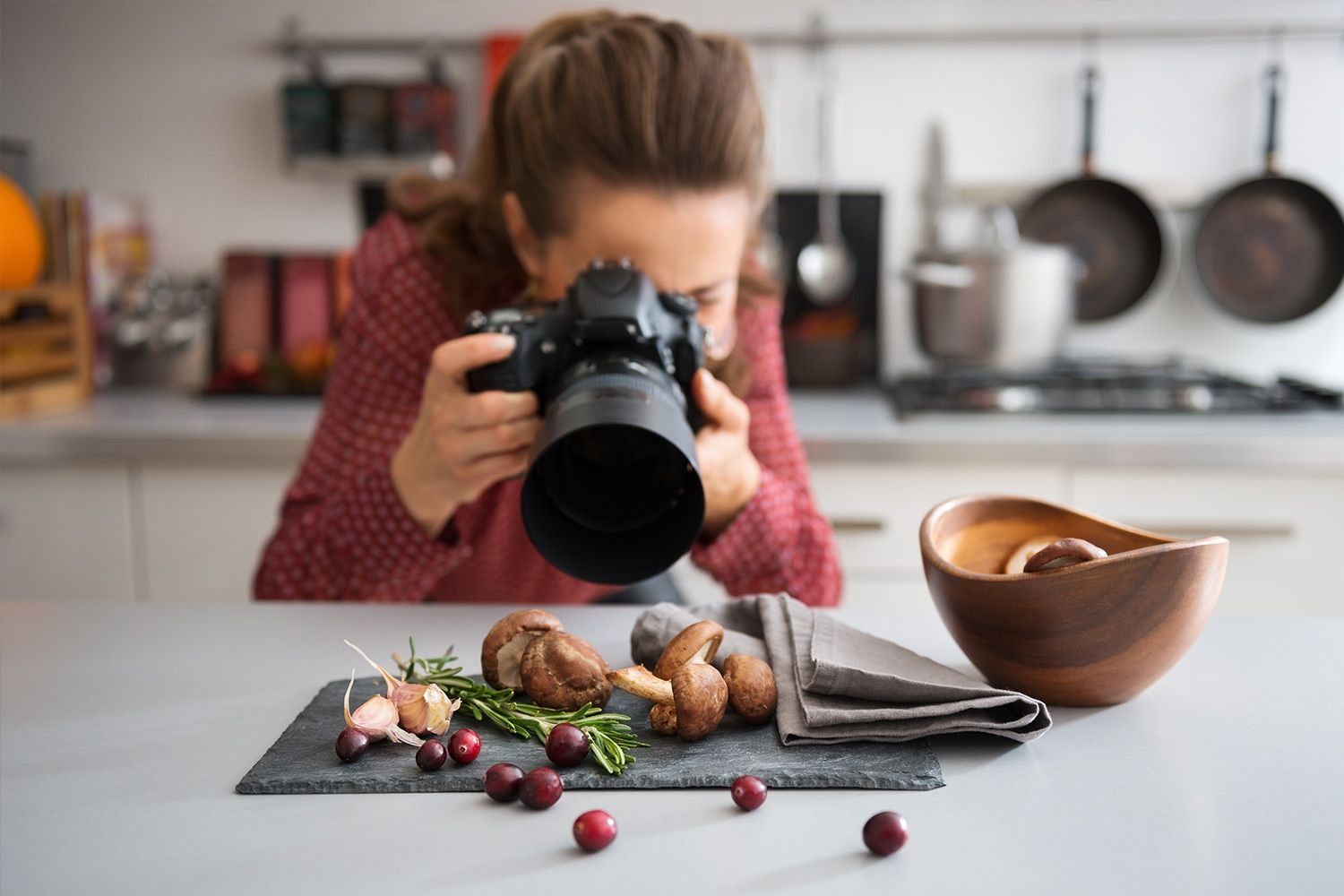
1. Request a Detailed Shot List
Achieving success in restaurant photography requires professionalism and a fair compensation for your time and expertise. However, before you can provide a client with a precise estimate, you must understand the specific requirements of the shoot. This understanding is essential for accurately gauging the duration of the session, as different subjects, such as beverages, may demand extra attention due to challenging glass reflections.
To price your services accurately, it’s vital to base your estimates on the project’s scope. Therefore, ask for a comprehensive breakdown of the number of food images, drink images, and any additional specifications. Some restaurants might also request you to bring your own props like surfaces, dishes, and linens. While this isn’t usually an issue, ensure you have a clear grasp of the client’s desired aesthetic. Additionally, bear in mind that capturing scenes with numerous props may require more time compared to photographing dishes directly on restaurant tables.
Keep in mind that a well-prepared shot list not only aids in planning and estimating but also ensures you have all the necessary tools to produce exceptional images!
2. Conduct a Location and Lighting Assessment
If you aim to capture enticing photographs, understanding the restaurant’s lighting conditions is paramount. Therefore, take the time to scout the restaurant before the shoot, familiarizing yourself with its lighting, layout, and overall ambiance. While many areas of restaurants are typically accessible to the public, it’s advisable to seek permission if you intend to venture into the kitchen or capture test shots with your camera (which is highly recommended).
During your scouting expedition, pay close attention to the direction and quality of light within the restaurant. Consider how the lighting changes throughout the day and schedule your session when conditions are most favorable.
Now, let’s discuss setting up your equipment and workspace. Select a location within the restaurant to serve as your base, choosing a spot with optimal lighting and ample space to work.
If you plan to use studio lighting, position your workspace away from windows to avoid interference from ambient light. Conversely, if you intend to leverage natural light, situating yourself near the windows is a wise choice.
Lastly, ensure you have the restaurant manager or owner’s approval for your plans, clearly outlining your intended shooting locations and equipment requirements.
Pro tip: While shooting, remain considerate of the restaurant’s patrons. Strive to be discreet and non-disruptive to minimize disturbances. If feasible, discuss the possibility of temporarily closing off a section of the restaurant to facilitate your shoot without inconveniencing diners.
3. Discuss Food Styling Responsibilities
Setting clear boundaries is crucial when working on restaurant photography projects. As a professional photographer, it’s essential to establish upfront that your expertise lies in capturing exceptional images rather than intricately styling food.
Food styling requires a unique skill set, often managed by chefs or dedicated food stylists. Make it clear to your clients that while you excel at lighting and image composition, the task of plating and food styling falls outside your scope. (However, if you possess both photography and food styling skills, feel free to proceed to the next section!)
In essence, restaurant owners should ensure that their chef is proficient in styling each dish. If not, they may need to consider hiring a professional food stylist. Although food stylists can be costly, clients should understand that the final appearance of the food on the plate ultimately rests with them. It’s essential to address this aspect in your contract (and if you don’t have one, it’s advisable to create one promptly!).
That being said, even though you aren’t directly responsible for plating, paying attention to finer details that enhance the food’s visual appeal is still crucial. Keep a sharp eye out for garnishes – they should complement the dish – and be vigilant for any stray crumbs or spills that could detract from the overall visual presentation. Trust me; a well-arranged burger looks much more enticing!
4. Prepare a Food Styling Kit and Essential Props
While you won’t be responsible for plating and food styling, having a basic styling kit is essential. Equip yourself with practical tools such as tweezers, cotton swabs, and small brushes. These tools will prove invaluable in managing garnishes and ensuring a pristine plate by quickly addressing any crumbs or spills. Even though you aren’t responsible for plating, your goal is to present the food in the best possible way.
Additionally, don’t forget to bring along a selection of props that can play supporting roles in your food photography compositions. Consider items like linens in various shapes, sizes, and colors, as they can add texture and visual interest to your shots. It’s also advisable to include some cutlery to enhance the overall aesthetic.
However, ensure that your chosen props align with the client’s vision and branding. Some clients may prefer their tables, flatware, and dishes to be depicted as they appear to customers, while others may have specific branding requirements necessitating a particular look or ambiance.
For example, if your clients desire a dark and moody atmosphere in their images, using bright white linens would be inappropriate. In such cases, you should arrive prepared with dark dishware and vintage cutlery. Effective communication with the client beforehand is essential to prevent any misunderstandings!
5. Make Thoughtful Lighting Choices
While natural light can yield excellent results, most restaurants tend to have low ambient lighting, presenting a significant challenge. If you choose to rely solely on natural light, you’ll need to position yourself near a window and work with a tripod to achieve slower shutter speeds without compromising sharpness. (Keep in mind that this technique isn’t suitable for capturing moving subjects. However, when shooting for the web or social media, you can typically increase the ISO and address noise concerns during post-production.)
During your scouting visit to the restaurant, conduct test shots and review them in Lightroom to assess the available lighting conditions. While natural light may suffice, it’s prudent to have a set of strobes or speedlights as backup in case the natural light doesn’t meet your desired aesthetic.
By being prepared with alternative lighting options, you can avoid disruptions caused by sudden weather changes and ensure a successful shoot.
6. Capture Images Aligned with Client’s Vision
When preparing for a restaurant photoshoot, engaging in a proactive discussion with your client is essential. Ideally, this conversation should occur days or even weeks before the shoot. During this dialogue, inquire about the preferred image format and resolution to ensure that you capture shots that perfectly match their vision.
In most cases, restaurants require images primarily for their websites, where landscape orientation tends to work seamlessly. Landscape shots integrate well with restaurant website layouts.
However, it’s important to note that if the client plans to use some images in their printed menu, a vertical format might be necessary. Keep in mind that accommodating both orientations may double the shoot’s duration. You’ll need to adjust your camera and recompose each shot for each orientation. Be sure to factor this into your pricing and have a transparent discussion with the client beforehand to manage expectations.
By proactively understanding the client’s preferences and planning accordingly, you can ensure that you capture stunning images tailored to their specific needs.
7. Utilize Tethered Shooting
While tethered shooting may seem cumbersome to beginners, it can be a game-changer. It involves connecting your camera to a laptop during the shoot, which might seem inconvenient, but it offers significant advantages.
I always employ tethered shooting for restaurant photography. Why? First and foremost, it allows me to view my shots in greater detail on my laptop screen, surpassing what’s visible on the camera’s display.
But there’s more to it. Tethering proves invaluable when I want to share the images with my clients as I work (which I highly recommend!). They can easily point out their favorite looks or elements they’d like to modify.
You might wonder if tethering is complex. It’s actually quite straightforward. Popular software like Lightroom or Capture One Pro supports tethering. Just ensure you have a high-quality cord for a seamless connection (plus a backup cord, just in case!).
8. Collaborate Actively with the Client
As a professional restaurant photographer, your objective isn’t merely to capture images you find impressive but to deliver work that truly impresses the client.
Hence, it’s crucial to involve the client throughout the process. Whenever possible, arrange an in-person meeting before the shoot. Insist that the client collaborates in providing creative direction and approves captured images on the day of the shoot. This proactive approach prevents surprises or discrepancies later on and ensures that the photos align with the restaurant’s branding and aesthetic.
To protect your time and effort, consider including a clause in your contract stipulating that you won’t commence a shoot without a restaurant representative present. You can also include a clause stating that their absence will result in forfeiture of the deposit. While this may seem stringent, it’s necessary for a smooth workflow and excellent results.
By actively involving the client throughout the photography process, you create a collaborative atmosphere that enhances client satisfaction. So prioritize communication, establish clear expectations, and ensure their presence during the shoot.
9. Engage with the Chef
In addition to working closely with your client, it’s beneficial to collaborate with the chef whenever possible. When scheduling a location scouting visit, consider arranging a meeting with the culinary mastermind behind the dishes.
Fostering a sense of importance and inclusion for the chef can significantly impact the outcome of your shoot. The most memorable and enjoyable photoshoots occur when the chef is genuinely enthusiastic about collaborating with you. Moreover, an excited chef is motivated to present their culinary creations in the most enticing way possible. Establish that connection and let their passion infuse your work.
10. Prioritize Liability Insurance
Before setting foot in a restaurant, there’s one crucial item not to forget: your liability insurance. While smaller eateries may overlook this detail, larger clients often require proof of liability coverage.
Why is this essential? Well, if someone were to have an unfortunate accident involving your equipment during the shoot and decides to take legal action against the restaurant, you could find yourself entangled in a messy lawsuit.
Furthermore, it’s advisable to seek out insurance tailored specifically for the photography industry. Pay close attention to the fine print and look for comprehensive coverage that shields you from potential situations common in your line of work.
Your skills aren’t the only aspect requiring protection; safeguard your food photography gear against theft, loss, and damage, including fire or flood. You wouldn’t want unexpected misfortune to leave you without the tools of your trade.
The Bottom Line
Achieving that flawless restaurant photograph demands a blend of expertise, readiness, and ingenuity. By adhering to these proven recommendations, you’ll be poised to capture images that tantalize the taste buds of any viewer!
Keep in mind that it commences with grasping the client’s vision and conducting a comprehensive location scout. Once you’ve laid a strong foundation, harness the available light to metamorphose restaurant dishes into a visual feast!