



Horses are not merely creatures of beauty and intelligence; they also serve as captivating subjects for truly breathtaking photographs. Horse photography, which aims to capture the grace and majesty of these magnificent animals, can be an incredibly rewarding endeavor.
However, photographing horses presents its own set of challenges. Horses are inherently free-spirited, and they can be easily spooked. Additionally, capturing a horse in motion, whether it’s racing or leaping, requires technical expertise. This combination of factors can understandably be overwhelming for any photographer.
But fear not! Even if you’re a beginner, you can learn to capture exceptional horse photographs with the guidance of an experienced mentor. Drawing from my extensive experience in horse photography and the knowledge I’ve gained from trainers and owners, this article provides comprehensive insights into the art of photographing horses. I’ll cover everything from creating stunning horse portraits to capturing thrilling horse race images and effectively photographing events like show jumping.
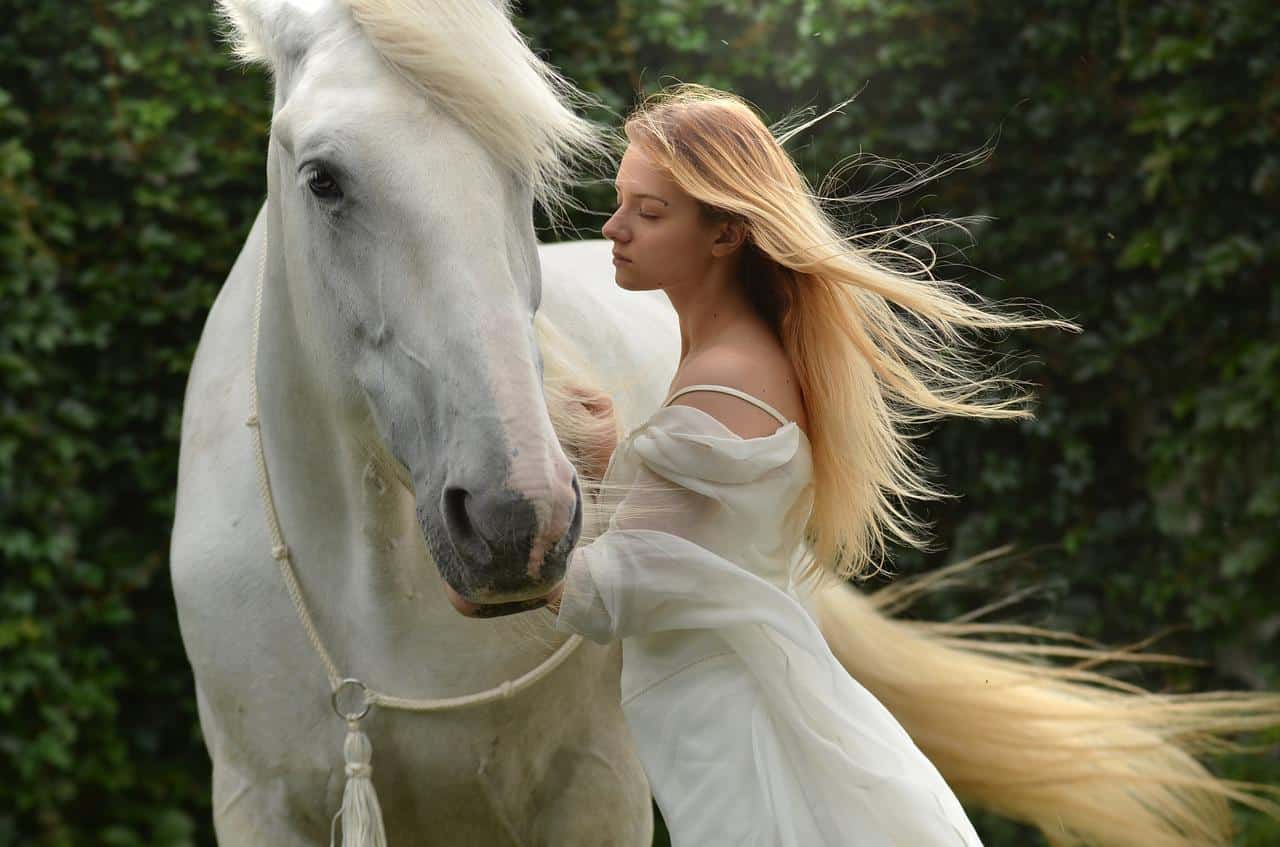
1. Exercise Caution
Approaching a horse with a camera in hand is not always straightforward. While some horses may be exceedingly gentle, others can be unpredictable or even aggressive. It’s essential to exercise caution, as a single kick from a horse can result in severe injuries.
Never stand directly behind a horse or approach them suddenly. Abrupt movements or wearing bright colors can startle them. It’s crucial to be aware of the horse’s presence and ensure that they are aware of your presence as well.
Before commencing the photography session, have a conversation with the horse’s owner or handler to understand the horse’s temperament. Is the horse easily frightened or prone to biting? Has the horse had previous exposure to cameras? Having this knowledge will help you approach the situation with caution.
Flash photography is generally discouraged around horses unless you are certain they are accustomed to it. A flash can pose a risk not only to you but also to the horse and its handler. It’s advisable to avoid flash whenever possible.
2. Learn the Language of Horses
Horses communicate through their ears, leg stance, and head movements. This form of communication is well understood by horse owners and trainers, but it may be unfamiliar to you. Take the time to research horse body language before your first shoot. Understanding how the horse is feeling will allow you to predict its behavior and avoid potential dangers.
Horse owners often have specific preferences for how they want their horse’s ears, legs, and head positioned. For instance, ears pinned back can indicate an unhappy horse, while forward-pointing ears may signal contentment. Familiarizing yourself with this language will not only keep you safe but also ensure that you capture images that resonate with the horse’s owners.
If you are well-versed in this equine language, you will have a better sense of what the owners desire, and your photo shoot will be more successful. Invest some time in learning this unique aspect of horse photography; it’s well worth it!
3. Initiate with an Introduction
Photographing horses is not about immediately diving in with your camera. It requires a delicate approach. When you first meet the horse, it’s essential to create a calm and non-threatening atmosphere.
If the horse is calm enough, let the handler introduce you. Allow the horse to approach you, sniff your camera, and become familiar with your presence. Speak softly and move slowly; if the handler deems it appropriate, a gentle pat may be welcomed.
If you are unsure how the horse will react to the sounds of your camera, set up a few test shots with the handler. Ensuring that everyone is in a safe position during these test shots is critical. If the horse responds negatively, sudden bucking or kicking could pose a danger.
If your camera has a silent shooting mode, this is an ideal time to use it. However, keep in mind that “silent” does not always mean entirely noiseless, so test it out to gauge the horse’s reaction.
4. Select the Right Lens for Horse Photography
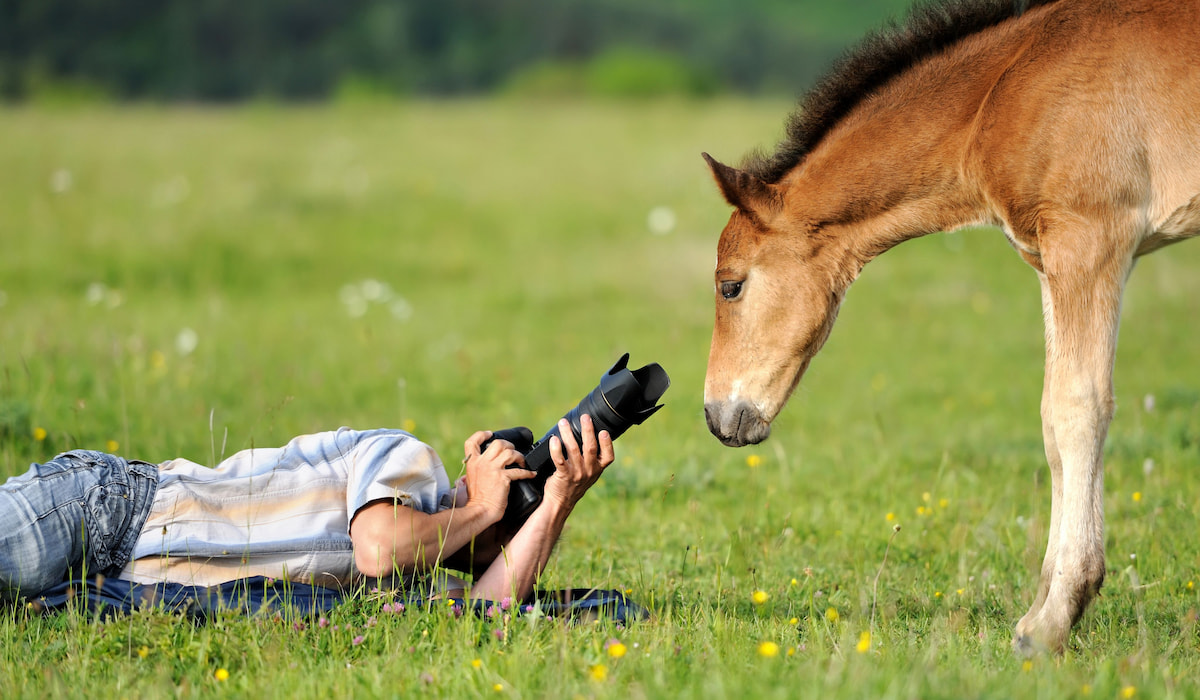
Choosing the appropriate lens is a crucial decision in horse photography. The choice may be influenced by various factors, including the horse’s temperament and the type of shots you aim to capture.
For portrait sessions with a horse that is comfortable with close proximity, a wide-to-standard zoom lens, such as a 24-70mm with a maximum aperture of f/2.8, can be an excellent choice. This lens allows you to capture wide-angle shots or zoom in for tighter compositions.
A 50mm or 85mm prime lens is also a fantastic option. These lenses often offer quality at a reasonable price, with a wide aperture like f/1.8 that produces beautiful background blur.
When photographing from a distance or dealing with a skittish horse, an extended telephoto lens is a necessity. A 70-200mm lens, for example, enables you to capture detailed shots from afar.
In some cases, even when dealing with a more approachable horse, having a telephoto zoom lens on hand can enhance your shots. It allows you to capture close-up details without intruding on the horse’s personal space.
5. Configure the Right Camera Settings for Horse Photography
Setting your camera correctly is paramount. Using the auto mode will not do justice to these magnificent creatures and may result in blurry images.
Shutter priority, aperture priority, or manual mode are your preferred options here. A fast shutter speed is essential – a minimum of 1/250s for general horse photography. If the horse is in rapid motion, even faster speeds like 1/500s or 1/1000s are necessary.
Don’t hesitate to increase your ISO if needed to ensure proper exposure. Modern cameras handle high ISO settings quite well, but it’s essential to understand your camera’s limitations.
A wide aperture, such as f/2.8 or f/4, can be beneficial, especially in low-light conditions. However, remember that a wider aperture narrows the depth of field, requiring precise focusing to ensure the horse’s eyes and head are sharply in focus.
Getting your camera settings right will enable you to capture the horse’s grace and energy, adding depth and emotion to your photographs. It’s a combination of understanding the horse’s behavior and utilizing your camera’s capabilities to the fullest. It’s not about having the most expensive equipment but rather knowing how to make the best use of what you have to create stunning images.
6. Capture the Tender Moments
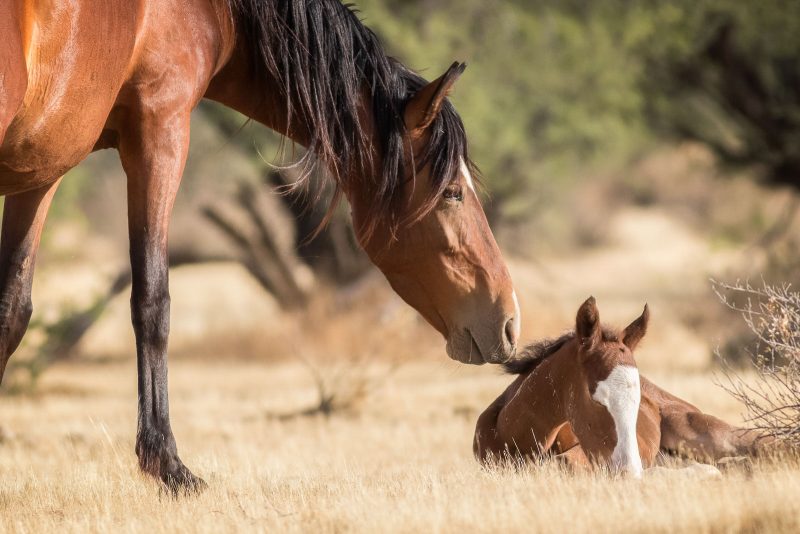
Connecting with a horse is a magical experience. Capturing that connection between horse and rider through your lens is even more enchanting. Every horse owner shares a unique, personal, and emotionally charged bond with their equine companion. As a photographer, your mission is to capture that bond, that shared love, in a way that transcends the physical frame.
Take a moment to observe. Watch the horse and its owner, their interactions, and their unspoken communication. Seek out the tender moments, the exchanged glances, the affectionate gestures. It is in these fleeting moments that the true essence of their relationship resides. Patience is key here, and waiting for these tender moments often rewards you with the most touching and powerful photographs.
An essential part of this process involves integrating the rider into your photoshoot. It’s crucial for you to keep them engaged and relaxed. Encourage them to interact with their horse naturally, just as they would when no one is watching. These candid shots often result in the most authentic photographs, brimming with raw emotions and moments of
connection. Remember, horse enthusiasts are often as eager to participate in the shoot as they are to have their equine companions photographed.
7. Don’t Overlook the Details
Horse photography isn’t solely about capturing the entire animal; it’s also about documenting the individual details that make each horse unique. These details can encompass the glossy sheen of their coat, the distinctive patterns of their markings, the flowing mane, the softness of their eyes, and so much more.
I always find it valuable to have a conversation with the owner before I start taking pictures. Get to know the horse through the eyes of its owner, understand what makes their horse special to them. They may have a passion for certain features – the curve of the horse’s neck, the unique color of their eyes, the way their mane catches the light. Your role as a photographer is to capture these personal favorites in the best possible light.
Choose your lens wisely for these detail shots. A telephoto lens works well if you need to maintain a safe distance, especially if the horse is a bit skittish. However, with a calm and friendly horse, feel free to get closer and use a standard lens. Experiment with varying your aperture to create a range of effects, from an overall sharp image to a focused shot with a beautifully blurred background.
8. Take Your Time
One crucial tip for successful horse photography, which cannot be emphasized enough, is to take your time. If possible, spend a day with the horse and its owner. Get to know them, understand their dynamics, and build rapport. Patience and understanding play a significant role in establishing trust, which, in turn, helps capture the best photographs.
Observe the horse’s behavior, their preferences, and dislikes. Perhaps they have a favorite spot in the paddock or display joyful leaps after a run. Keeping these nuances in mind will enable you to anticipate their actions and be prepared for spontaneous photo opportunities.
Slowing down also allows you to notice the small yet significant details in the surrounding environment—intriguing backgrounds, shifting light patterns, shadows, and reflections. All these elements can add depth and context to your images, transforming a picture into a masterpiece.
Don’t rush the process. Horse photography, like many rewarding endeavors in life, takes time. It requires patience, practice, and a keen eye for detail. However, rest assured, the results will be well worth your efforts.
9. Apply Similar Techniques for Equine Events
Photographing equine events like show jumping presents its unique challenges, but many of the principles remain the same. Finding a safe spot for photography is paramount, one where the horse can see you from a distance. Always remain stationary and avoid moving toward the horse and rider, and remember, using flash is strongly discouraged. It’s also wise to check with event officials before you begin shooting.
To capture both the horse and rider mid-jump—a favorite of equestrians—you’ll likely need a shutter speed around 1/650s to 1/800s. Setting your camera to continuous release (burst) mode allows you to press the shutter as the horse takes off, increasing your chances of getting the perfect shot.
Focusing can be challenging, so you’ll need to be particularly attentive. Prefocusing ahead of where you anticipate the horse will be is an option, but I find that using your camera’s autofocus (AF) tracking to follow the horse is often more effective. It enables you to take a series of shots as the horse moves in various directions, providing you with a range of dynamic images to choose from.
10. Act Swiftly for Horse Race Photography
Horse racing is a thrilling sport, and capturing it in a photograph requires a special touch. Horses at top speeds are incredibly fast, so I would recommend using the fastest shutter speed that the available light allows. Utilize your camera’s continuous shooting mode, and do not hesitate to take hundreds of shots. Among the failures and near-duplicates, you will discover those magical moments that make it all worthwhile.
Getting close to the finish line at smaller race meets can yield breathtaking photographs, but it requires permission. Assure officials that you won’t use flash and that you understand how easily horses can be startled. Your diligence can grant you access to unique vantage points.
Here’s a pro tip: try panning shots during the races. This technique captures a sense of motion and speed, infusing your photographs with an artistic flair. Lower your shutter speed to around 1/30s and move your camera along with your subject as you press the shutter. When done correctly, you’ll end up with a sharp horse and rider against a stunning blur of motion in the background.
This technique may take a few attempts to master, but the resulting photographs can be truly impressive. Combining both standard and panning shots during horse races can provide you with an exciting and diverse portfolio of images, each illustrating a different aspect of the race!
In Conclusion
From understanding a horse’s personality and body language to selecting the right lens and camera settings, we have explored essential tips and techniques to help you capture beautiful horse photographs.
Remember to approach each photography session with care and patience; with perseverance, you will capture many horse images to be proud of—whether it’s a tender moment between rider and horse or the exhilarating speed of a race.
Now it’s your turn to pick up a camera and explore the world of equine photography. Happy shooting, and enjoy the process!