



Occasionally, celestial events captivate a broad audience, either due to their rarity or ease of viewing. This month’s end brings a special Super Blue Moon, an event that not only makes headlines but also prompts photographers to capture its beauty.
On the 31st, we’ll witness a full moon, but this isn’t just any ordinary one; it’s a blue moon, and more uniquely, a supermoon. Let’s delve into what these terms mean and how you can capture this rare event in a stunning photograph.
The phrase “once in a blue moon” signifies rarity. A blue moon occurs when there are two full moons in a single month, a phenomenon resulting from the lunar cycle’s slight misalignment with our calendar months.
Despite its name, the moon won’t actually appear blue. It’s the term “blue” that’s significant here, not the actual color you’ll see in the sky.
The term “supermoon” refers to the moon’s proximity to Earth in its elliptical orbit. When a full moon coincides with its closest approach to Earth, we call it a supermoon. Though it’s only about 7-8% larger than a typical full moon, this can make it appear slightly bigger and brighter.
Photographing this event is definitely worth the effort. When the full moon rises, it can provide unique compositions, especially given its dual status as a blue moon and supermoon.
To capture this event, planning is essential:
- Mark the Date and Time: The blue moon will occur on August 30 at 9:35 PM EDT. Ensure you know when it will rise in your location.
- Find the Ideal Location: To make your photo stand out, choose a location with distinctive landmarks or natural elements that add interest to your composition.
- Choose the Right Gear: A stable tripod is crucial for clarity. A telephoto lens will help make the moon appear larger in your frame. Consider a lens like the SIGMA 150-600 f5-6.3 DG DN | S for its wide focal range.
- Adjust Camera Settings: Experiment with settings the nights before the full moon. Start with manual mode, a low ISO (100-400), an aperture of f/8 to f/11, and a shutter speed of at least 1/15.
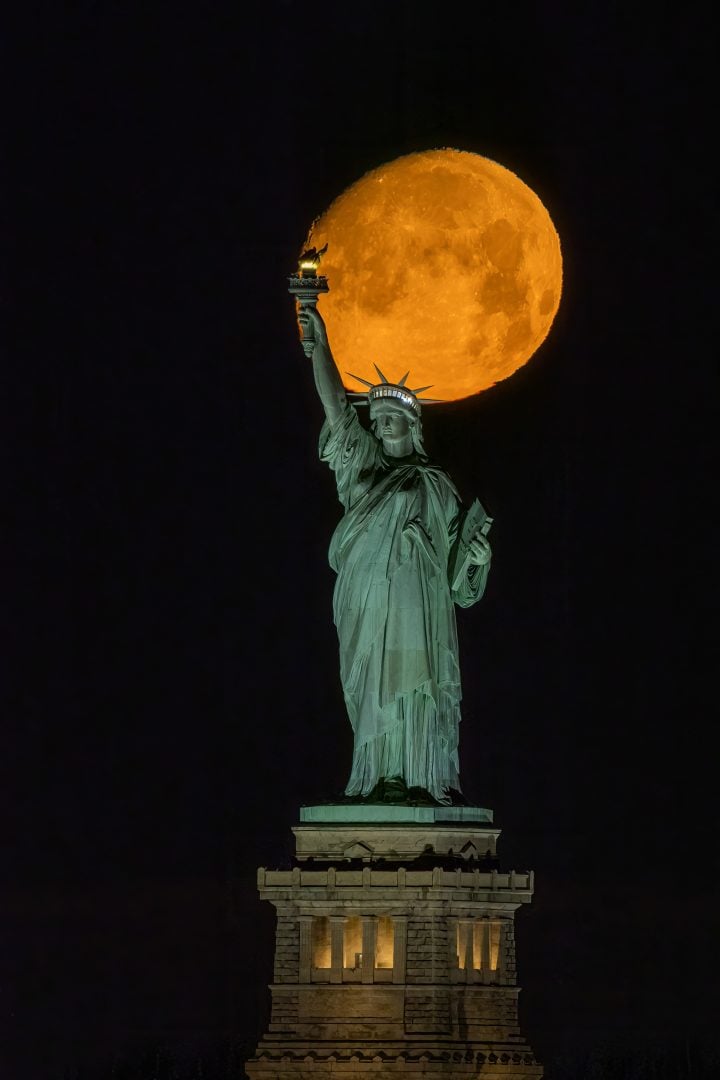
On the night of the blue moon, arrive early at your spot to set up and adjust settings. Take photos as the moon rises to capture its movement and tweak your settings as needed. Afterward, enhance your images with post-processing software like Luminar Neo to bring out the details and balance the highlights and shadows.
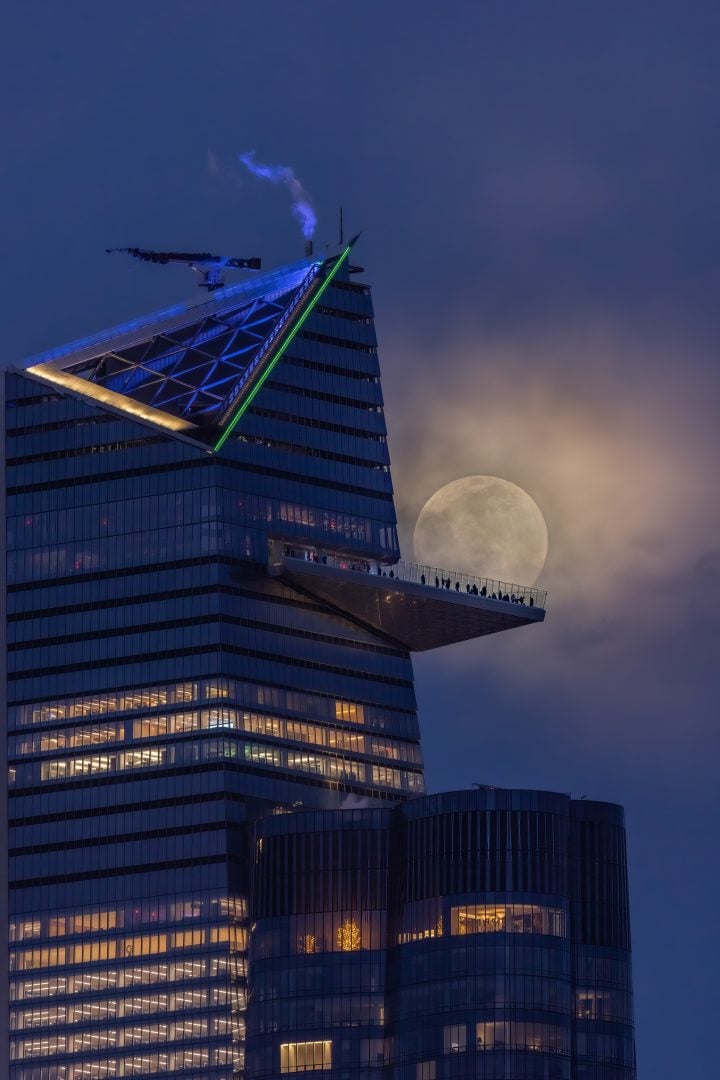
With a wide audience for this event, having your images ready promptly can help them stand out. The effort you put into your unique composition will pay off.
About the Author
Jack Fusco, based in San Diego and a Sigma Photo Ambassador, is an expert in timelapse, landscape, and astrophotography. Transitioning from a touring musician to a full-time photographer, his work is showcased on his website, Facebook, Instagram, and Twitter.