



Seascape photography is a mesmerizing genre that allows photographers to capture the ever-changing beauty of the sea. From tranquil sunsets casting a warm glow on the water’s surface to powerful waves crashing against rugged coastlines, seascape photography offers endless opportunities for creativity. However, mastering this art form requires not only technical expertise but also a deep connection with the ocean’s moods and nuances. In this comprehensive guide, we will delve into 13 essential tips to help you elevate your seascape photography and create breathtaking images that convey the sheer magnificence of the sea.
1. Study the Tide and Weather
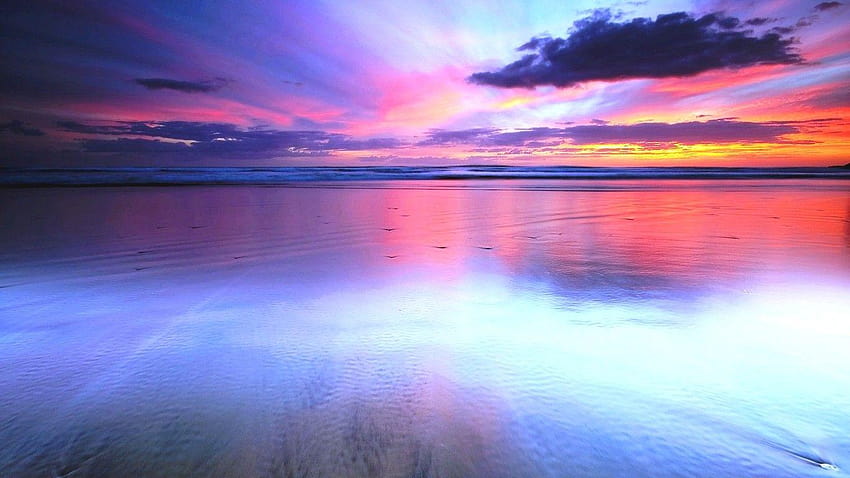
Before embarking on a seascape photography expedition, take the time to study the tide and weather conditions. These factors play a crucial role in determining the outcome of your shots. A rising tide can transform a mundane scene into a dynamic composition, while a receding tide might reveal intriguing rock formations. Monitoring weather forecasts can help you predict dramatic skies, as moody clouds can add depth and drama to your photographs.
2. Timing Is Everything
The golden hours of photography—sunrise and sunset—are especially critical for seascape photography. The soft, warm light during these times can transform an ordinary scene into something extraordinary. Arriving early to scout for the best compositions and staying late to capture the last vestiges of light can make all the difference in your images.
3. Use a Sturdy Tripod
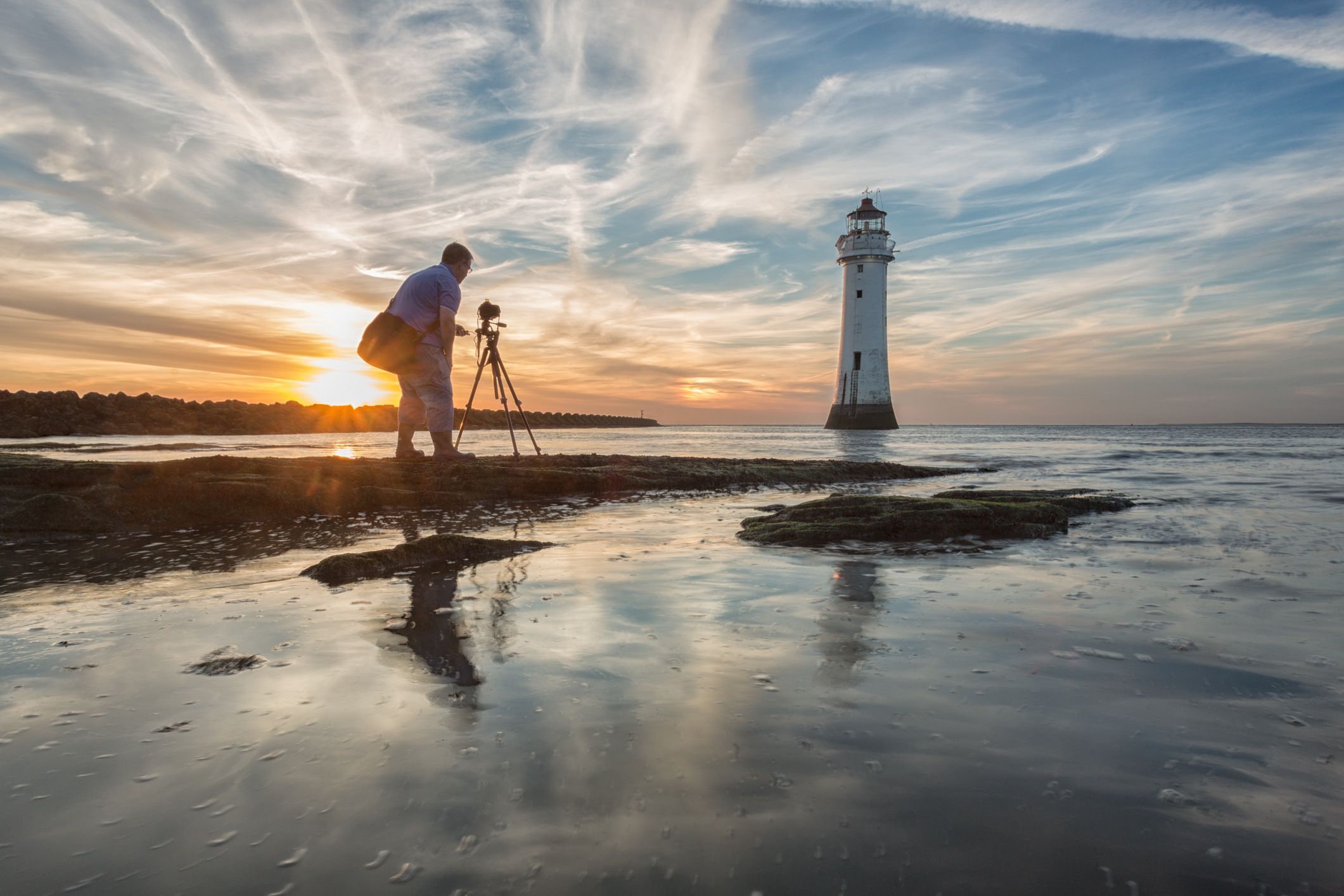
Stability is paramount in seascape photography, particularly when dealing with long exposures during low light conditions. Invest in a high-quality, sturdy tripod capable of withstanding the challenges posed by the wind and the crashing waves. A reliable tripod is your best friend when aiming for sharp, well-composed shots.
4. Embrace the Power of Filters
Neutral density (ND) filters and graduated ND filters are indispensable tools in seascape photography. ND filters allow you to extend exposure times, creating silky smooth water or emphasizing the motion of crashing waves. Graduated ND filters help balance the exposure between the sky and the sea, preventing overexposure or underexposure in either area.
5. Master Composition
Composition forms the backbone of any outstanding photograph, and seascape photography is no exception. Experiment with various composition techniques, such as the rule of thirds, leading lines, and the inclusion of foreground interest. Incorporate elements like rocks, driftwood, or seashells to add depth and context to your images.
6. Experiment with Shutter Speed
The choice of shutter speed can dramatically influence the mood of your seascape photos. A fast shutter speed freezes the motion of waves, capturing the raw power and energy of the sea. In contrast, a slow shutter speed introduces an ethereal, dreamlike quality, blurring the movement of waves and creating a sense of tranquility. Experiment with different shutter speeds to convey the emotions you wish to evoke in your viewers.
7. Capture the Essence of Motion
Seascape photography is all about capturing the dynamic nature of the sea. Aim to freeze the motion of waves crashing against the rocks, showcasing their power and intensity. Alternatively, opt for longer exposures to create a sense of graceful motion in the water, emphasizing the ebb and flow of the tides.
8. Utilize Leading Lines
The coastline often offers natural leading lines that draw the viewer’s eye into the frame. Seashore contours, rock formations, and jetties can be used to create a sense of depth and guide the viewer’s gaze toward the focal point of your composition.
9. Seek Unique Perspectives
Don’t confine yourself to conventional shooting angles. To capture truly unique seascape photographs, be willing to get low and close to the water’s surface or scale heights to gain an elevated perspective. Shooting from a lower angle can make waves appear more imposing, while an elevated perspective offers a fresh and captivating view of the sea.
10. Explore Long Exposures
Long exposure photography is a hallmark of seascape photography, and it can yield mesmerizing results. By extending your exposure times, you can transform crashing waves into a misty, otherworldly spectacle or capture mirror-like reflections on calm waters. To minimize camera shake during long exposures, use a remote shutter release.
11. Safeguard Your Gear
The coastal environment can be harsh on your camera equipment. Always carry protective gear such as a rain cover and lens cloth to shield your gear from saltwater spray, sand, and abrupt changes in weather conditions. Investing in a waterproof bag or case is a wise decision to ensure the longevity of your equipment.
12. Patience Is a Virtue
Seascape photography often demands patience. Be prepared to wait for the perfect wave, ideal lighting, or the most dramatic cloud formation. Don’t rush the process, and be open to returning to the same location multiple times to capture the shot you envision.
13. Master the Art of Post-Processing
Post-processing is the final step in creating breathtaking seascape photos. Utilize software like Adobe Lightroom or Photoshop to enhance colors, contrast, and sharpness. However, remember to maintain a natural look and avoid over-editing, as subtlety often produces the most compelling results.
The Bottom Line
Seascape photography is a deeply rewarding journey that allows photographers to forge a profound connection with the ocean’s beauty and power. By applying these 13 tips, you can elevate your seascape photography skills and create breathtaking images that encapsulate the essence of the sea’s grandeur. Keep in mind that practice and persistence are the keys to mastery in this captivating genre. Continue exploring, experimenting, and honing your craft to achieve truly remarkable results, and let the mesmerizing allure of the sea inspire your creativity.