



Aquariums provide captivating views of fish, accentuated by dramatic lighting, and offer numerous incredible opportunities for photography. Unfortunately, due to the dimly lit environments and the swift movements of aquatic subjects, capturing exceptional aquarium images can prove to be extremely challenging.
Fortunately, I have a passion for aquarium photography, and I’ve mastered the art of capturing sharp, well-exposed images of various aquatic creatures. In this article, I will share my insights on how you can create stunning shots of sharks, lobsters, eels, and more. If you’re eager to embark on your journey into the world of aquarium photography, let’s dive right in!
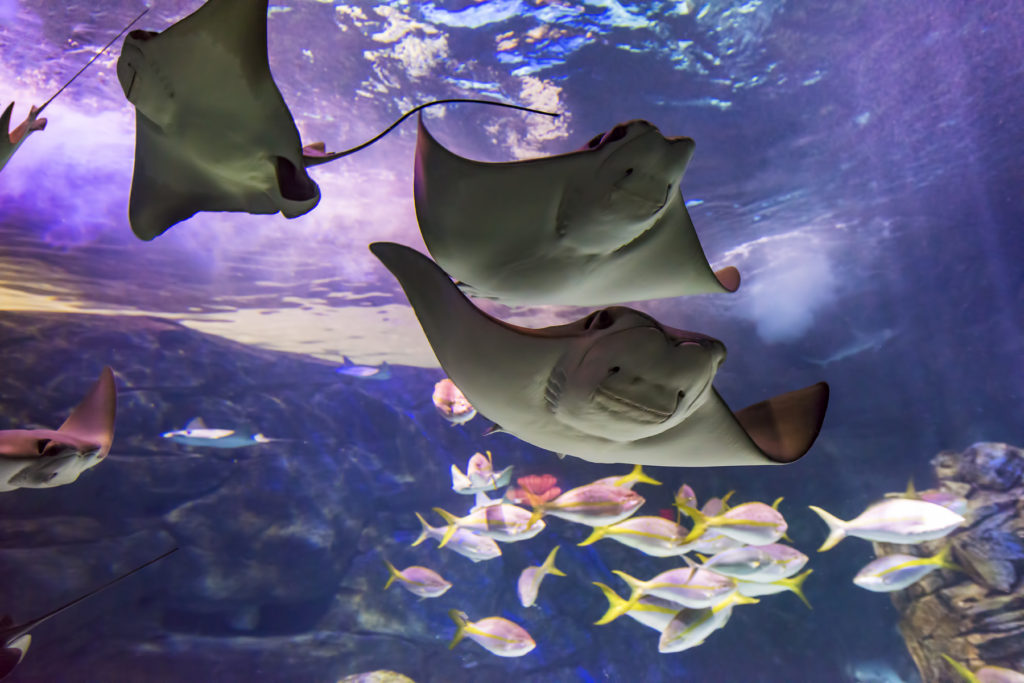
Optimal Camera Settings for Aquarium Photography Pro
Tips for Achieving Breathtaking Aquarium Photographs
Entering an aquarium armed with your camera set to Auto mode will likely result in frustratingly blurry photos. Why is that? In low-light conditions, your camera automatically slows down the shutter speed, leading to increased camera shake and the inability to freeze the movement of your subjects.
Therefore, it is essential to select the right camera settings to consistently achieve sharp images.
In particular, you must use a reasonably fast shutter speed, typically around 1/125s or higher, depending on your lens’s focal length and your subject’s speed. Take a look at the following image, captured at 1/10s – the shutter speed often chosen when the camera is left on Auto mode – and you’ll notice significant motion blur:
Tips for Successful Aquarium Photography
My recommendation? Don’t rely on your camera to determine the shutter speed. Instead, opt for a shooting mode that allows you to directly control the shutter speed – either Shutter Priority mode or Manual mode.
Shutter Priority mode enables you to choose both the shutter speed and ISO (which relates to the camera sensor’s sensitivity to light), while the camera takes care of selecting the aperture. When in Shutter Priority mode, I suggest setting the ISO as high as possible without risking excessive noise that could degrade your images. Personally, I’m comfortable pushing my camera to ISO 3200, but it’s advisable to test your camera model’s high-ISO capabilities.
Next, set your desired shutter speed. Starting at 1/125s is a good baseline; aim for a shutter speed that’s fast enough to freeze motion but not excessively quick, as that could result in underexposed images.
Manual mode, on the other hand, grants you full control over ISO, shutter speed, and aperture. It’s an ideal mode for more experienced photographers. If you feel comfortable with this approach, consider setting your ISO to the highest acceptable level, widening the lens aperture to the maximum extent you’re comfortable with from a creative perspective, and then selecting a shutter speed of 1/125s or faster.
To achieve a perfect exposure in Manual mode, you’ll need to adjust the shutter speed. Keep a close eye on the exposure indicator in the viewfinder, or capture multiple shots, review them on the LCD screen, and make necessary adjustments.
Here are the settings I typically use for aquarium photography:
- ISO 3200
- f/2.8
- 1/60s
However, shooting at 1/60s requires practice and is suitable for slower-moving subjects. Don’t hesitate to open your aperture wider, increase your ISO, or adjust your shutter speed as needed to capture the perfect shot.
Essential Gear for Aquarium Photography
Embarking on the captivating journey of aquarium photography requires the right equipment to ensure success. Here are the key items to consider:
1. A Powerful Camera
It is highly recommended to choose either a DSLR or a mirrorless camera for aquarium photography. These camera types offer manual control over settings, allowing you to fine-tune various parameters to suit different aquarium environments. This flexibility is crucial for adjusting exposure, focus, and other essential elements, enabling you to capture mesmerizing underwater aquarium images.
Low-light performance is a critical consideration, as aquariums are typically dimly lit environments. The use of flash can lead to unwanted reflections and disturb the aquatic inhabitants. Opt for a camera with exceptional high ISO performance to confidently shoot in these conditions without compromising image clarity.
Shooting in RAW format is a valuable practice. It provides greater post-processing flexibility, allowing you to correct colors, balance exposure, and bring your photos to life according to your vision.
2. A Carefully Selected Lens
The choice of lens has a significant impact on the quality and creativity of your aquarium photographs. Consider the following options:
- Versatile Zoom Lens: A versatile zoom lens offers flexibility in composing shots, particularly in the confined spaces of an aquarium where moving around might be limited. Look for a lens with a good zoom range, allowing you to capture both close-ups and wider shots without the need for frequent lens changes.
- Macro Lens: When capturing detailed shots of smaller aquatic species, a macro lens is essential. It enables you to get up close and personal with your subjects, capturing every intricate detail. Pairing a macro lens with a wide maximum aperture like f/2.8 equips you to excel in especially dark environments. A wide aperture allows more light, enabling faster shutter speeds and reducing the risk of motion blur.
When investing in lenses, prioritize quality, and consider reputable brands known for superior performance and durability.
Equipping yourself with these essential items will set you on the path to capturing stunning aquarium images. Remember that while having the right gear is crucial, practice, creativity, and a deep understanding of the unique challenges posed by each aquarium’s environment will further enhance your photography skills and results. Happy aquarium photography!
Recommended Accessories for Aquarium Photography
While aquarium photography technically doesn’t require additional accessories, many photographers find certain tools helpful in achieving the best results. Here are some accessories to consider:
1. Tripod Consideration
Tripods offer stability in low-light conditions, which can be advantageous in aquarium photography. They aid in keeping your camera steady and assist in composing each shot with precision.
It’s important to note that, unfortunately, tripods are often restricted or impractical to use in most aquariums due to space limitations and visitor traffic.
2. Monopod as an Alternative
In cases where tripods are not allowed or are impractical, a monopod can serve as a valuable alternative. A monopod provides some level of stabilization without the bulkiness of a full tripod, making it less intrusive in crowded aquarium settings.
3. Essential Accessories
In addition to support equipment, consider these essential accessories:
- Extra Batteries and Memory Cards: Aquarium photography sessions can be time-consuming, and you wouldn’t want to miss a perfect shot due to a drained battery or limited storage space. Always carry spare batteries and ample memory cards to ensure you’re well-prepared for extended shooting.
- Lens Cleaning Supplies: Keeping your lens free from smudges and debris is crucial, especially when shooting close to the glass. Carry lens cleaning supplies to maintain clear and sharp image quality throughout your session.
While these accessories can enhance your aquarium photography experience, adaptability and creativity remain key to achieving outstanding results in the unique and challenging environment of an aquarium. Be prepared and flexible, and you’ll be well-equipped to capture stunning underwater scenes.
Read More:8 Tips for Breathtaking Aquarium Photography
The Bottom Line
With practice and a combination of the right gear, camera settings, and creative techniques, you can embark on an exciting journey into the world of aquarium photography. Be patient, adapt to the unique challenges of each aquarium, and strive for creativity in your compositions. As you master the art, you’ll be rewarded with breathtaking underwater images that showcase the wonders of the aquatic realm. Happy shooting!